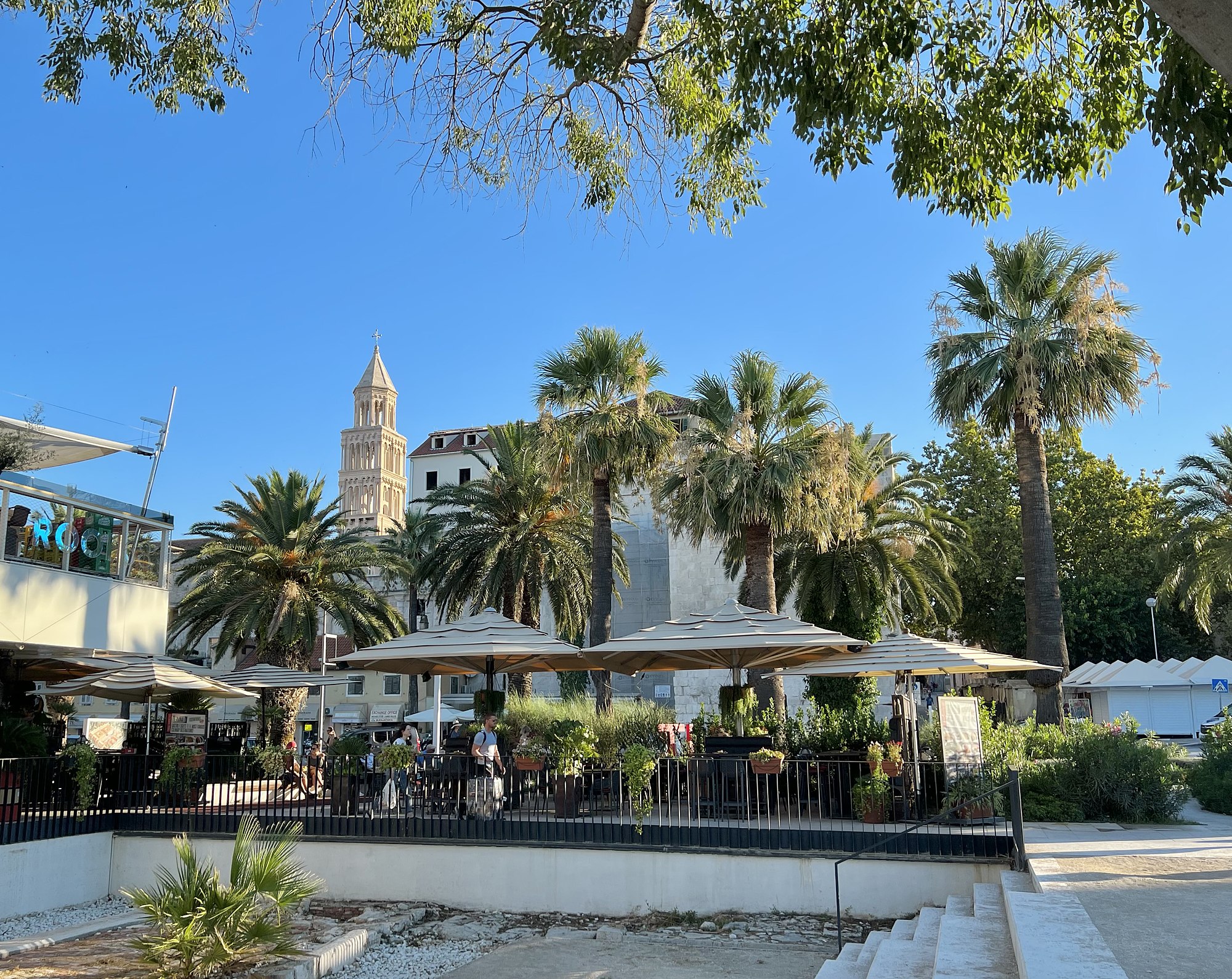
Istria vs Dalmatia: Which Coast to Choose?
Can't decide between Istria and Dalmatia? This guide breaks down the key differences in vibe, cost, beaches, and food to help you pick the perfect Croatian coast.
Planning a trip to Croatia? The first big question is often: Istria or Dalmatia? Both offer stunning coastlines, but they are surprisingly different.
This guide cuts straight to the point. Istria is for foodies and tranquil hills. Dalmatia is for island hopping and iconic ancient cities.
The Verdict in 30 Seconds
Short on time? Here’s the quick answer to help you decide.
- Choose Istria if: You love food and wine, scenic drives through rolling hills, and charming hilltop towns. It feels like Tuscany-by-the-sea, with a strong Italian influence and fewer crowds.
- Choose Dalmatia if: Your dream is to island hop between places like Hvar and Brač. You want to explore famous ancient cities like Split and Dubrovnik and swim at iconic pebble beaches.
What's the Main Difference Between Istria and Dalmatia?
The biggest difference is the landscape and overall feel. One is green and rolling, the other is dramatic and rugged.
Istria: The Green Peninsula
Istria is the large peninsula in the north-west of Croatia, close to Italy and Slovenia. Its inland is often called "Green Istria."
- Landscape: Think rolling green hills, vineyards, and olive groves. It’s dotted with medieval hilltop towns like Motovun and Grožnjan.
- Influence: The Italian influence is undeniable. You'll see bilingual signs (Croatian and Italian) and feel it in the food and architecture.
- Focus: It's a major culinary destination, famous for truffles, wine, and world-class olive oil.
Dalmatia: The Iconic Coastline
Dalmatia is the long coastal strip that runs from Zadar in the north to Dubrovnik in the south. This is the Croatia most people picture.
- Landscape: Dramatic limestone mountains plunge directly into the Adriatic Sea. The coastline is dotted with hundreds of islands.
- Influence: History is everywhere, with grand Roman ruins in Split and perfectly preserved medieval walls in Dubrovnik.
- Focus: Life revolves around the sea. Island hopping, boating, and beach-going are the main activities.
Vibe & Atmosphere: Istria vs Dalmatia
The atmosphere in each region is distinct. Istria is generally quieter and more relaxed, while Dalmatia has a more energetic, adventurous buzz.
Istria Vibe: Relaxed & Rustic
The vibe here is sophisticated but understated. It’s about slow travel, long lunches, and scenic drives.
- Coastal towns like Rovinj and Poreč are beautiful and popular, but maintain a relaxed feel.
- The true soul of Istria is in its inland hilltop towns.
- It feels less tourist-centric and more agricultural, focused on its culinary traditions.
Perfect for: Travelers looking for a quiet, romantic getaway; food lovers; those who enjoy driving and exploring rural areas.
Not for: Anyone seeking a party scene or a huge variety of islands to explore.
Dalmatia Vibe: Energetic & Epic
Dalmatia operates on a grander scale. The cities are bigger, the history feels more monumental, and the natural scenery is more dramatic.
- Cities like Split and Dubrovnik are major tourist hubs with palpable energy.
- Islands like Hvar are famous for their nightlife and glamorous reputation.
- The culture of island hopping and boat life is central to the Dalmatian experience.
Perfect for: First-time visitors to Croatia; adventure seekers; groups of friends; anyone who wants to see the "famous" spots.
Not for: Travelers trying to completely avoid crowds in summer.
Best Beaches: Are Istrian or Dalmatian Beaches Better?
This is a key question for many visitors. For classic, stunning beaches, Dalmatia is the clear winner.
Quick Answer: Dalmatia has more of the world-famous, crystal-clear pebble beaches you see on postcards. Istrian beaches are often rockier and more developed.
Dalmatian Beaches
Dalmatia is home to Croatia's most iconic beaches. The water clarity is exceptional.
- Zlatni Rat (Golden Horn) on Brač island is the most famous beach in Croatia.
- The islands of Vis and Korčula have stunning, secluded coves like Stiniva Beach.
- The Makarska Riviera, south of Split, is a 60km stretch of beautiful pebble beaches backed by Biokovo Mountain.
- Even near big cities, you can find great swimming spots.
Istrian Beaches
Istria has a beautiful coastline, but it’s different. Expect more rocky platforms, paved sunbathing areas, and some managed pebble beaches.
- Cape Kamenjak, south of Pula, is a protected nature park with wild, rocky coves and cliff jumping spots.
- Beaches around Rovinj and Poreč are well-equipped but can be crowded.
- The main draw of the Istrian coast is its charming towns, not necessarily the beaches themselves.
Food & Wine: Which Region is a Foodie Paradise?
Both regions have incredible food, but Istria is Croatia's undisputed gourmet capital.
Istria's Food Scene
Istria is a world-class culinary destination. It competes on an international level for several key products.
- Truffles: The forests of the Mirna Valley are a source of prized white and black truffles.
- Olive Oil: Istria has been named the "World's Best Region for Olive Oil" multiple years in a row.
- Wine: It's known for its excellent white wines, especially Malvasia Istriana, and the robust red Teran.
- Other specialties: cured ham (pršut), wild asparagus, and fresh seafood along the coast.
Dalmatia's Food Scene
Dalmatian food is simpler, focused on incredibly fresh, high-quality ingredients, especially from the sea.
- Seafood: This is what Dalmatia does best. Think grilled whole fish, black risotto (crni rižot), and octopus salad.
- Wine: The region is famous for powerful red wines like Plavac Mali (a relative of Zinfandel) from the Pelješac Peninsula, and crisp whites like Pošip from Korčula.
- Local dishes: Look for "peka," a method of slow-cooking meat or seafood under a metal dome covered in embers.
Island Hopping: Istria vs Dalmatia
There is no competition here. Dalmatia is one of the best places in the world for island hopping.
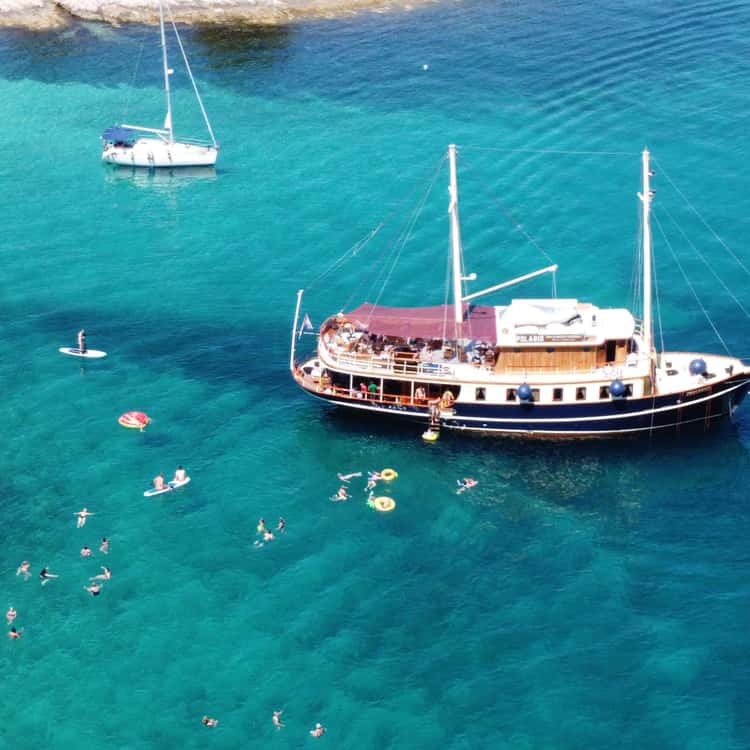
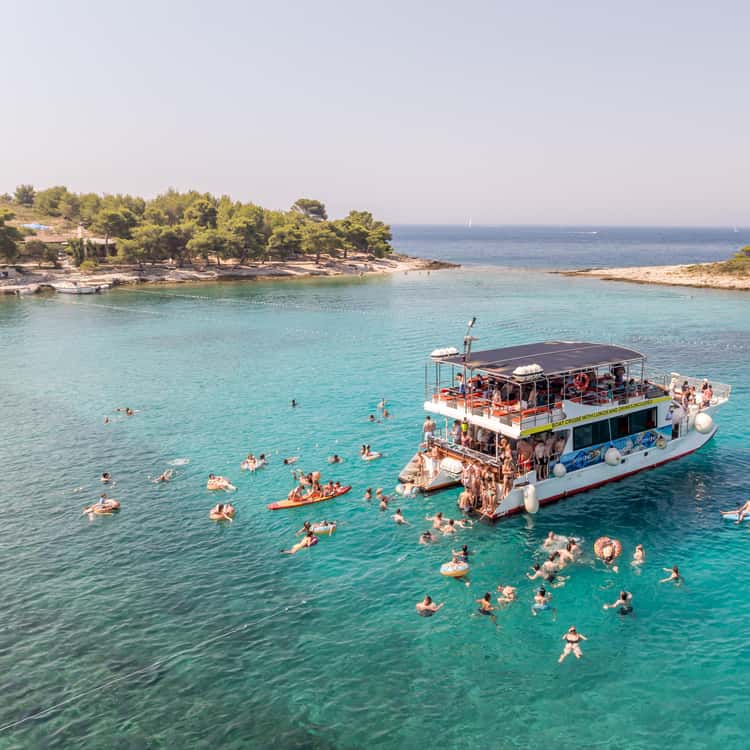
- Dalmatia: This is the heart of the action. With over a thousand islands, the possibilities are endless. An extensive network of car ferries and passenger catamarans connects major hubs like Split and Dubrovnik with islands such as Hvar, Brač, Vis, and Korčula. Day trips on speedboats are also extremely popular. For a taste, a Hvar, Brač & Pakleni Islands Boat Tour covers multiple famous spots in a single day. For a more relaxed pace, an All inclusive Brač & Šolta Island Swimming Cruise is a perfect option.
- Istria: Island hopping is not a focus in Istria. The main island group is the Brijuni Islands National Park, a beautiful but highly managed archipelago that was once Tito's summer residence. You visit via a designated tour boat; you can't freely hop between the islands.
Cost of Travel: Is Istria or Dalmatia Cheaper?
This is tricky. Your travel style matters more than the region. Overall, costs are broadly similar, but they differ in *what* you spend your money on.
Quick Answer: On average, your budget will stretch to similar lengths in both. Istria can be pricier for high-end dining and boutique villas. Dalmatia's costs can spike from popular island tours and high-demand spots like Dubrovnik and Hvar in July and August.
Where your money goes in Istria:
- Higher costs: Gourmet restaurants (especially with truffles), high-quality local wine, and charming inland villas can be expensive.
- Lower costs: Activities are often cheaper. Exploring hilltop towns is free, and you may spend less on boat trips.
Where your money goes in Dalmatia:
- Higher costs: Island hopping adds up. Ferry tickets, catamarans, and especially private boat tours are a significant expense. Accommodation and food in prime locations like Dubrovnik's Old Town or Hvar Town are very expensive.
- Lower costs: You can find cheap and delicious food at local bakeries (pekare) and casual taverns (konobe) away from the main tourist drags.
Which is Better for... (A Quick Guide)
- Families: Istria. The calmer atmosphere, shorter driving distances, and attractions like dinosaur parks and aquariums make it slightly more family-friendly.
- Couples: Tie. Istria is perfect for a romantic, foodie getaway. Dalmatia is ideal for adventurous couples who want stunning scenery and island exploration.
- First-Time Visitors: Dalmatia. It delivers the classic Croatian experience of ancient cities and idyllic islands.
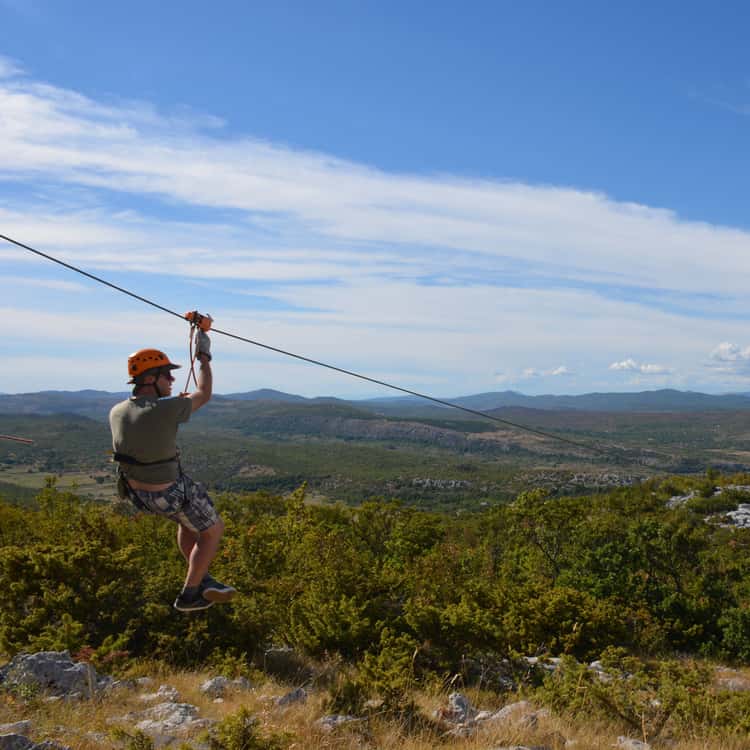
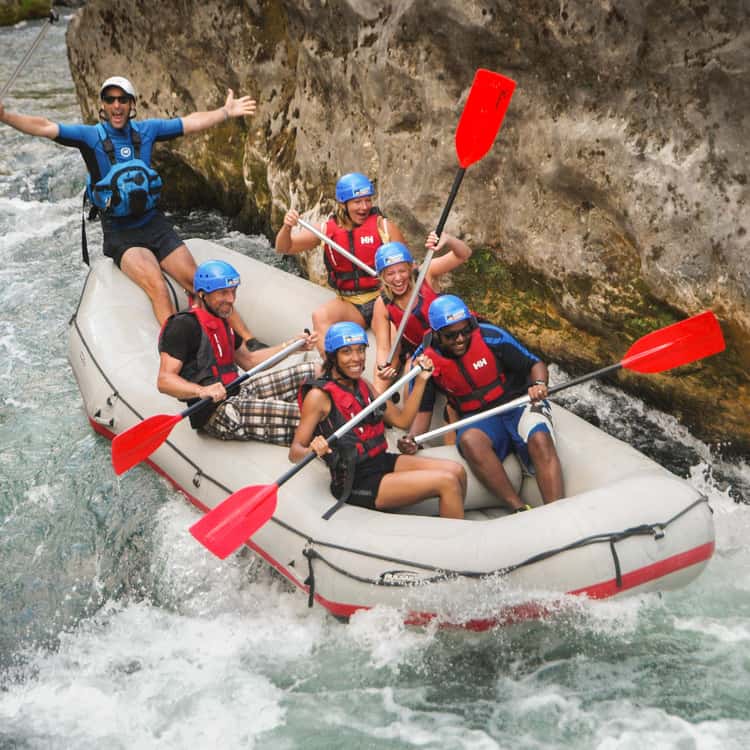
- Adventure: Dalmatia. With activities like rafting on the Cetina River, a zipline adventure near Split, sea kayaking, and hiking on the islands, it’s the clear winner.
- Foodies & Wine Lovers: Istria. No contest. It's a true gastronomic paradise.
- Off-Season Travel: Istria. The focus on food, wine, and charming towns makes it a fantastic destination in spring and autumn. Many Dalmatian island businesses close down off-season.
Can I Visit Both Istria and Dalmatia in One Trip?
Yes, but you need at least 10 to 14 days to do it justice without feeling rushed. The drive between the two regions is a major factor.
- The Drive: It takes about 4-5 hours to drive from Rovinj in Istria to Split in Central Dalmatia on the modern A1 motorway.
- Suggested Itinerary (12 Days):
- Days 1-4: Istria. Fly into Pula (PUY). Base yourself in Rovinj or an inland villa. Explore the coast and hilltop towns by car.
- Day 5: Travel Day. Drive from Istria to Dalmatia. Consider stopping at Plitvice Lakes National Park on the way (this will make it a long day).
- Days 6-11: Dalmatia. Base yourself in Split. Explore the city, and take day trips to islands like Hvar and Brač.
- Day 12: Fly out of Split (SPU).
Recommended Tours
Frequently Asked Questions
How much does a week in Dalmatia cost compared to Istria?
Costs are broadly similar, budget around €700-€1500 per person for a week. Istria can be pricier for high-end food and villas. Dalmatia's costs rise with tours and accommodation in hotspots like Dubrovnik and Hvar during peak season.
What is the best month to visit Istria and Dalmatia?
September is arguably the best month for both regions. The weather is still warm, the sea is perfect for swimming, and the huge summer crowds have departed. May and June are also excellent choices for pleasant weather and fewer people.
Is Istria or Dalmatia better for a first trip to Croatia?
Dalmatia is usually the better choice for a first trip. It offers the iconic Croatian experience with the ancient cities of Split and Dubrovnik, famous islands like Hvar, and the dramatic coastal scenery the country is famous for.
Do I need a car in Istria?
Yes, renting a car is highly recommended for Istria. It is the best way to explore the charming hilltop towns, wineries, and rural landscapes, as public transport between smaller inland villages is not frequent.
What is one thing people don't know about Istria?
Many visitors don't realize Istria is a world-leader in high-quality olive oil, frequently winning global awards. Visiting a local family-run producer for an olive oil tasting is a unique and authentic experience that goes beyond the usual tourist trail.
Can you do a day trip to Venice from Istria?
Yes, it is a popular and easy day trip. High-speed catamarans connect Istrian ports like Rovinj, Poreč, and Pula with Venice. The journey takes about 3-4 hours each way, making for a long but very memorable day.