Croatia 2026 Budget Guide: How Much for 1 Week?
Planning a trip to Croatia in 2026? Here is a realistic 1-week budget breakdown including food, hotels, ferries, and tour prices for every traveler type.
A one-week trip to Croatia in 2026 typically costs between €800 and €2,200 per person. Your final price depends almost entirely on whether you visit in peak July/August or the shoulder season, and which regions you choose.
How much does a week in Croatia cost in 2026?
Budget travelers can expect to spend €120 per day. Mid-range travelers usually spend around €220 per day. Luxury travelers will easily exceed €450 per day. These estimates include accommodation, food, local transport, and activities.
Quick Answer: For a 7-day mid-range trip in May, June, or September 2026, budget roughly €1,500 per person (excluding international flights). This covers a mix of boutique hotels, ferry tickets, daily restaurant meals, and two or three guided tours.
2026 Average Prices by Category
Hostel bed: €30 – €55 per night
3-star Hotel/Studio Apartment: €90 – €160 per night
4-star Hotel: €200 – €380 per night
Meal at a Konoba (Tavern): €18 – €30 per person
Fine dining dinner: €70 – €120 per person
Cup of coffee (Stradun/Riva): €4.50 – €6.50
Cup of coffee (backstreet): €2.50 – €3.50
Large beer (0.5L): €5 – €8
One-way ferry (Split to Hvar): €20 – €25
Regional Price Differences: Where is it cheapest?
Not all of Croatia carries the same price tag. Prices vary wildly depending on the location.
Dubrovnik and Hvar Town (Most Expensive)
Expect to pay a 30% premium here. Accommodation in the Old Town of Dubrovnik is the most expensive in the country. A simple pasta dish can cost €22. To save money, stay in Župa Dubrovačka or Cavtat and use the boat ferry to reach the city.
If you plan to see the walls, the Dubrovnik: City Walls, Old Town Walking Tour is often cheaper than buying individual tickets and hiring a private guide separately.
Split, Zadar, and Istria (Mid-Range)
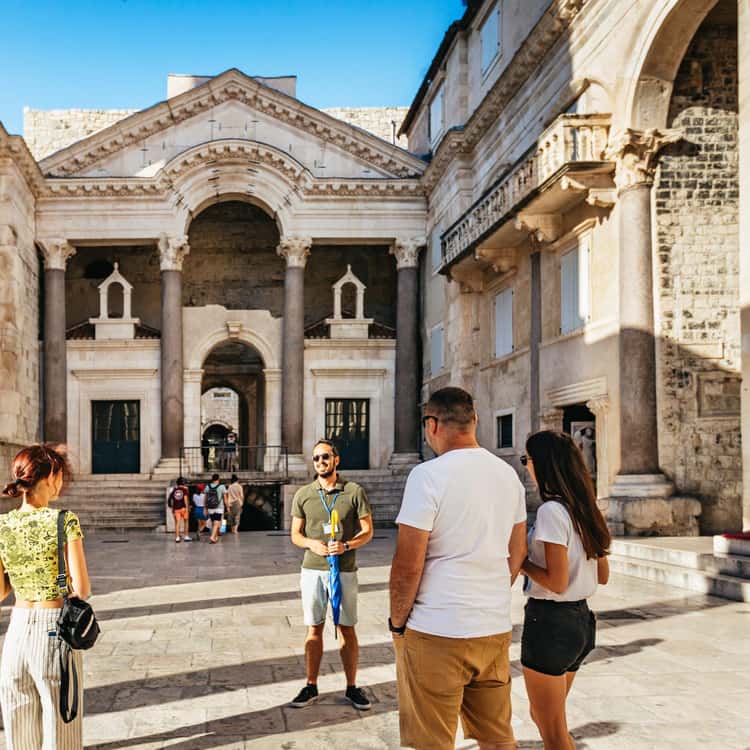
Split is slightly more affordable than Dubrovnik but more expensive than Zadar. Istria (Pula, Rovinj) offers great value for food but accommodation fills up fast. A Walking Tour of the Old Town and Diocletian's Palace in Split remains one of the best value-for-money activities at around €15.
Zagreb and Slavonia (Best Value)
The capital and the eastern plains are significantly cheaper. You can get a full lunch menu (gablec) in Zagreb for under €12. Beer is often 40% cheaper than on the islands.
Accommodation Costs: Hotels vs. Apartments
In 2026, many locals have shifted to "Short-term rental" taxes, driving prices up. Booking 6 months in advance is mandatory for May–September.
Sobe (Private Rooms): Look for blue signs on houses. These are often €50-€70 and offer the best local experience.
Apartments: Best for groups. Buying groceries at Konzum or Tommy and eating breakfast at home saves roughly €15/day.
Hotels: Prices peak in August. A standard room in a 4-star hotel in Hvar can hit €450/night in mid-summer.
Transport Costs: Ferries, Buses, and Cars
Croatia is easy to navigate, but costs add up.
Ferry and Catamaran Prices
Catamarans (fast boats) are more expensive than car ferries.
Split to Brač: €6 (Ferry) vs €15 (Catamaran).
Dubrovnik to Hvar: €45 (Catamaran).
Bus Travel
FlixBus and Arriva are the main carriers. A ticket from Split to Dubrovnik costs roughly €20–€30. This is the cheapest way to see the coast.
Car Rentals
In the 2026 shoulder season, a small car costs €35 per day. In July, that jumps to €85 or more. Don't forget parking: in Split or Dubrovnik, central parking can cost €5-€10 per hour.
Food and Drink Budget
Eating out is getting pricier. Here is how to manage it:
Breakfast: Go to a Pekara (Bakery). A Burek or chocolate croissant costs €2–€3.
Lunch: Look for "Daily Menus" or "Marenda" between 11:00 and 14:00. Local workers eat these. Cost: €12–€16 for a main course.
Dinner: Avoid restaurants with picture menus on the main square. Go two streets back.
Water: Tap water is safe and delicious in Croatia. Stop buying plastic bottles and save €4 per day.
Activity and Tour Costs
Public beaches are free. National Parks are not.
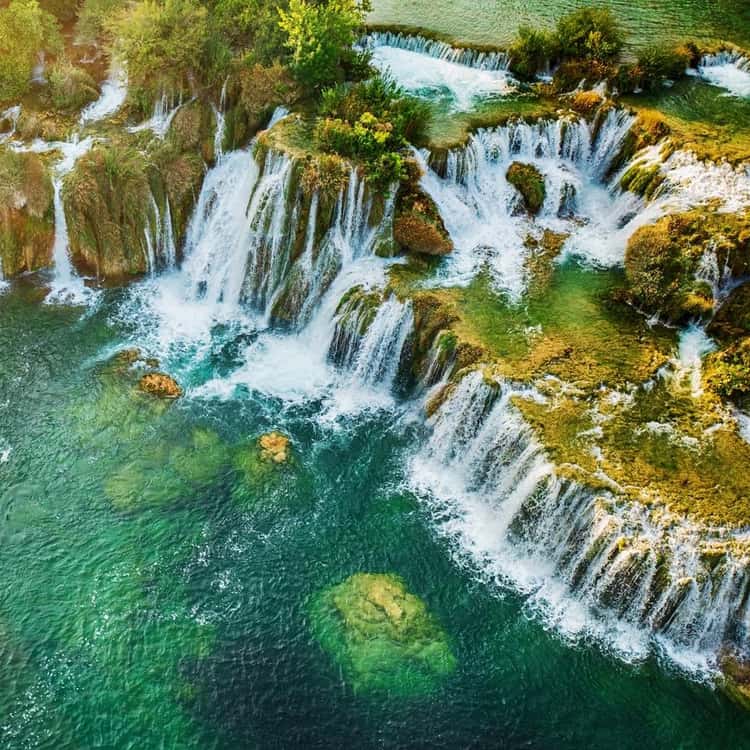
Krka National Park: €20–€40 (depending on the month).
Plitvice Lakes: €25–€40.
Dubrovnik City Walls: €35 per person.
If you are in Split, active days are often better value. For example, Rafting on the Cetina River costs about €50 for a 6-hour experience including transport.
Sample 7-Day Budget Brackets (2026)
The "Backpacker" Budget (€850)
Accommodation: €350 (Hostels)
Food: €250 (Bakery, Supermarket, some street food)
Transport: €100 (Buses, local ferries)
Activities: €150 (One boat tour + National Park)
The "Comfort" Budget (€1,600)
Accommodation: €800 (Private Airbnb or 3-star hotel)
Food: €450 (Restaurant dinner daily, lunches out)
Transport: €150 (Catamarans, some Taxis/Ubers)
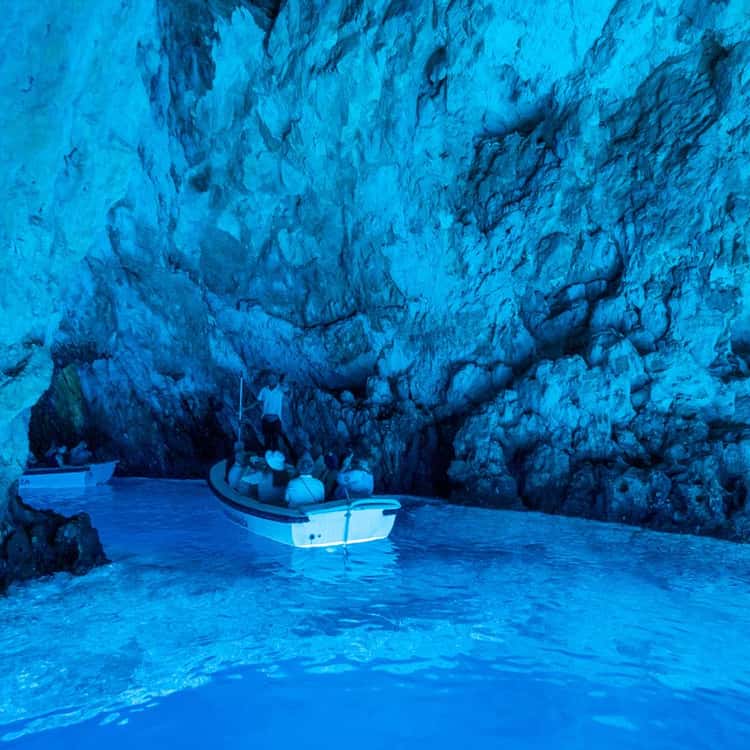
Activities: €200 (2-3 guided tours like Blue Cave & Hvar Tour)
The "Luxury" Budget (€3,500+)
Accommodation: €2,100 (5-star hotels)
Food: €800 (Fine dining, wine pairings)
Transport: €300 (Private transfers, car rental)
Activities: €300 (Private charters like Elaphiti Private Speedboat Tour)
Seasonal Price Swings: When to go?
April and October: Cheapest time. Prices are 40-50% lower than summer. Weather is unpredictable but often sunny (18-22°C).
May, June, and September: The "Sweet Spot." Full ferry schedules, everything is open, but accommodation is 25% cheaper than August.
July and August: Maximum prices. Crowded. Expect "Summer Surcharges" on everything from ice cream to sunbeds.
Pro Tip: Buy the Dubrovnik Pass if you are staying for more than 2 days. It costs the same as the City Walls ticket alone but includes museum entries and local bus transport.
How to Save Money in Croatia (2026 Edition)
Use Uber/Bolt: Don't hail random taxis. They will charge triple.
Avoid "Stradun" Dining: Walk into the small alleys of Dubrovnik. Prices drop by €10 immediately.
Book Ferries Online: Use the Jadrolinija app. It’s the same price, but you skip 30-minute lines.
Pick Split as a base: It is more central and cheaper than the islands. You can do easy day trips to Krka Waterfalls or Trogir without paying island hotel premiums.
Travel in June: The days are the longest of the year, the sea is warm enough to swim, and the "August rush" hasn't inflated prices yet.
Is Croatia expensive for 2026?
Croatia is no longer a "budget" destination compared to its neighbors like Albania or Montenegro. It is now priced similarly to Italy or Greece. However, the infrastructure, safety, and water quality are among the highest in Europe, making it worth the investment.
Recommended Tours

Frequently Asked Questions
How much does a 1 week trip to Croatia cost?
For a mid-range experience in 2026, budget at least €1,500 per person excluding flights. This allows for decent accommodation, dining out daily, and several island tours.
What is the cheapest month to visit Croatia?
June and September offer the best balance of warm weather and lower prices. You can save up to 30% on accommodation compared to the peak July and August season.
Is Croatia still affordable for backpackers?
Yes, but it requires strategy. Stay in hostels or private 'Sobe' rooms, eat from bakeries (pekara) for lunch, and stick to the mainland rather than expensive islands like Hvar.
Do I need cash in Croatia in 2026?
Credit cards are widely accepted in hotels, large restaurants, and supermarkets. However, you still need Euros (EUR) for small cafes, bakeries, market stalls, and some private accommodation.
Is Split or Dubrovnik more expensive?
Dubrovnik is roughly 20-30% more expensive than Split for food and lodging. If you are on a strict budget, use Split as your main base and visit Dubrovnik for a shorter stay.